




The Secret of AI Geography Learning: The Power of Word Pattern Analysis
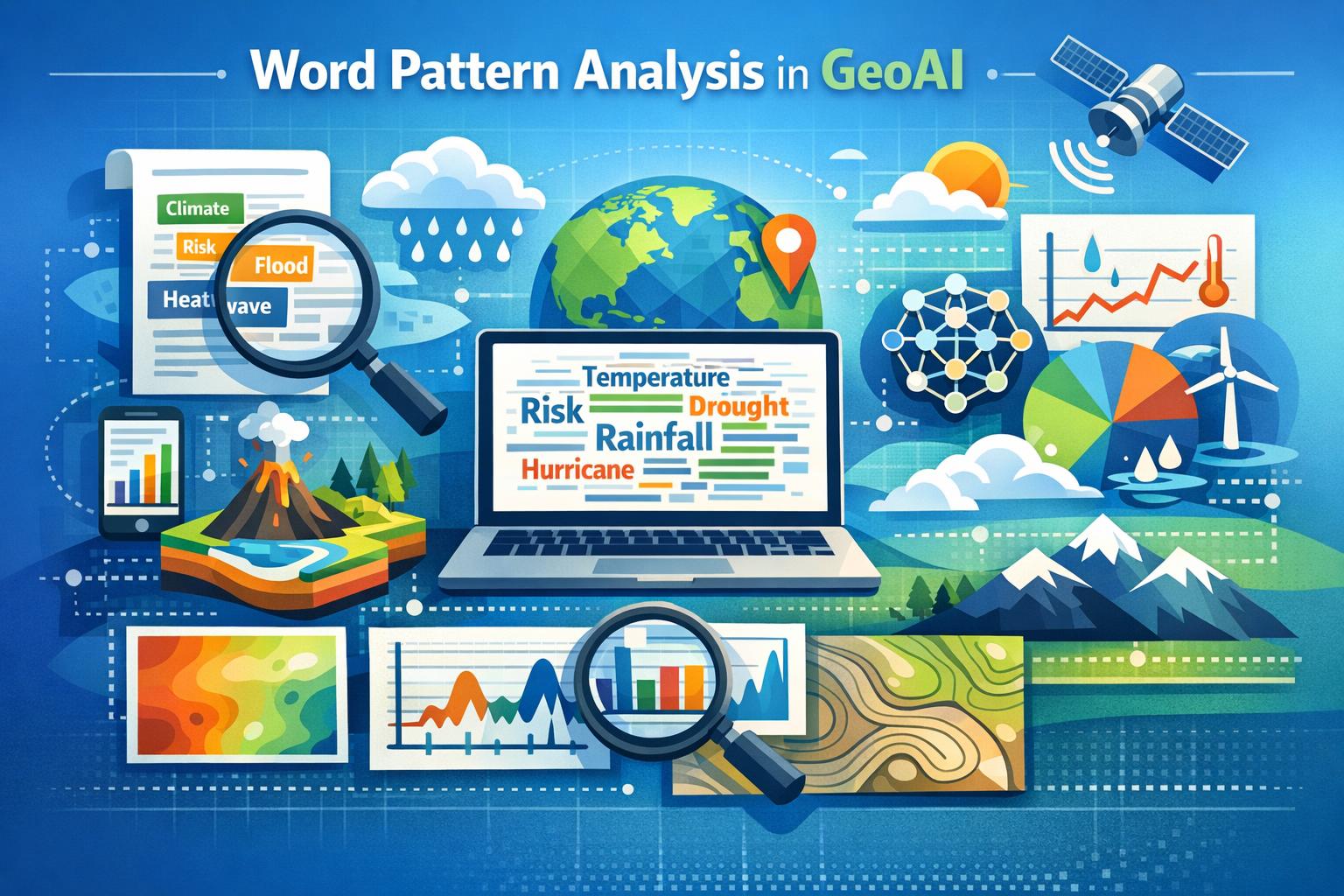
The way AI understands and predicts world geography has evolved remarkably. In particular, word pattern analysis technology lies at the center of this evolution. This technology utilizes machine learning algorithms to process vast amounts of text data to help predict specific geographical characteristics or climate information. For example, by analyzing the word "Reykjavik," AI can identify keywords related to the city's climate—such as "cold," "ice," and "Arctic"—and use this information to predict the weather conditions Reykjavik will experience. Unlike traditional geography learning methods, this can be considered an innovative approach that is possible even without maps.
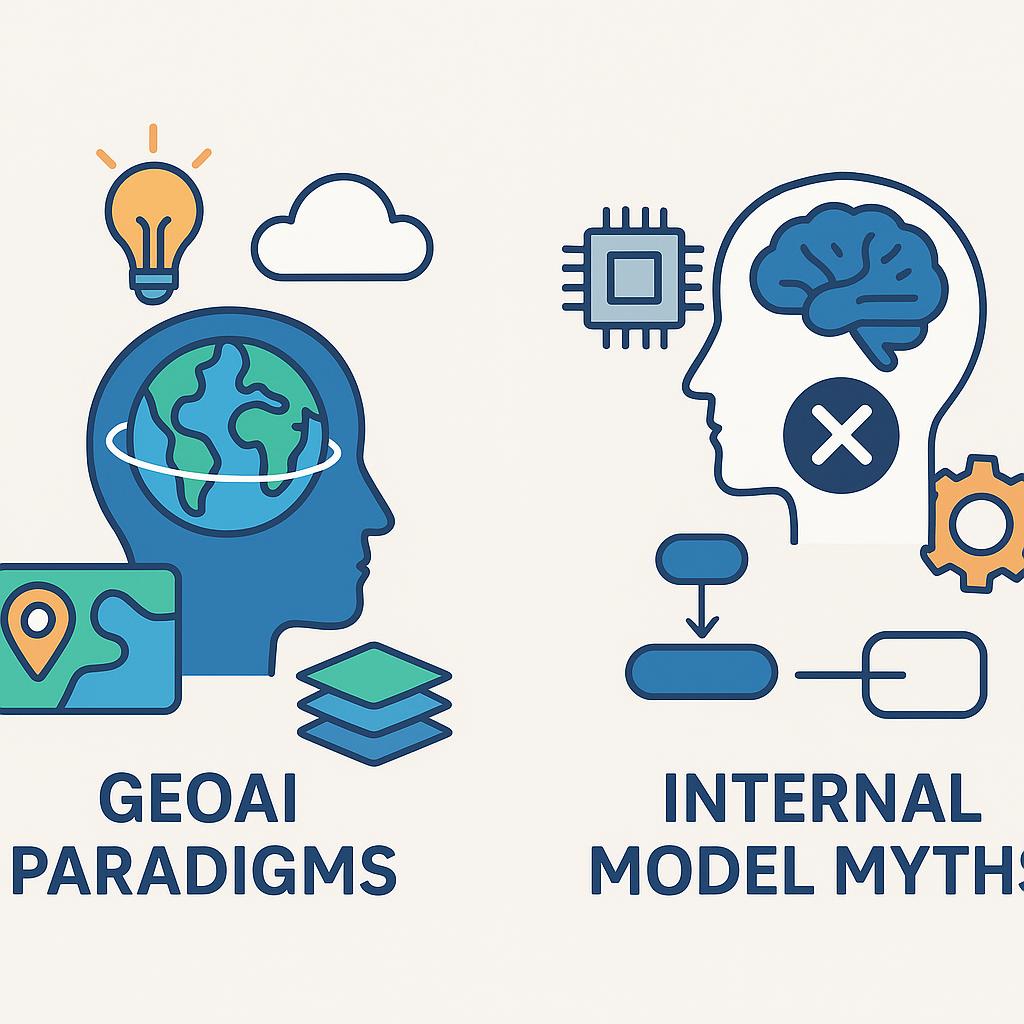
Word pattern analysis plays a crucial role in enabling AI to think and learn like humans. Extracting meaningful information from data and providing insights based on it is a powerful capability of AI. In particular, this process sometimes gives rise to the myth of the internal model, which refers to the process by which AI independently finds an optimized path to reach a specific goal. As a result, AI comes to understand the world without an explicit map.
University of Florida Research and GeoAI Paradigm Innovation
Recent research conducted at the University of Florida offers a new perspective on how AI learns and predicts geography. The research team examined the effectiveness of AI-based GeoAI systems compared to existing map-based learning methods. As a result, they discovered that AI systems do not simply rely on data but identify correlations and draw conclusions based on them.
The GeoAI paradigm is garnering attention as an innovative approach that goes beyond the mere use of maps. It redefines how spatial information is processed and utilized by combining data analysis and artificial intelligence technologies. Thanks to this innovation, we are now able to model environmental changes and climate variability more accurately, which has a significant impact on policy decisions and urban planning.
Furthermore, the University of Florida research team observed how AI systems operate in the real world through various experiments. The findings conveyed a hopeful message that while complex challenges exist, such as data imbalance, these issues can be resolved through continuous research and development.
The Future of GeoAI: The Internal Model Myth and Its Influence
The myth of internal models will be a significant factor in the development of next-generation GeoAI technology. This describes the process by which AI makes decisions based on models or rules it generates itself. These internal models generally operate more flexibly than information provided by human experts, enabling appropriate judgments in various situations.
For example, the potential to respond rapidly to sudden climate changes or natural disasters in specific regions without relying on existing models increases. Furthermore, as these internal models become more sophisticated and accurate over time, they will process a wider range of data in the future and have a positive impact on our lives.
Ultimately, these changes will bring significant transformations not only to our daily lives but also to business strategies and policy decisions. GeoAI is a topic worth noting because it is no longer a story of the distant future, but a reality unfolding right before our eyes.


