




A New Paradigm for Earth Observation: AI Edge Computing
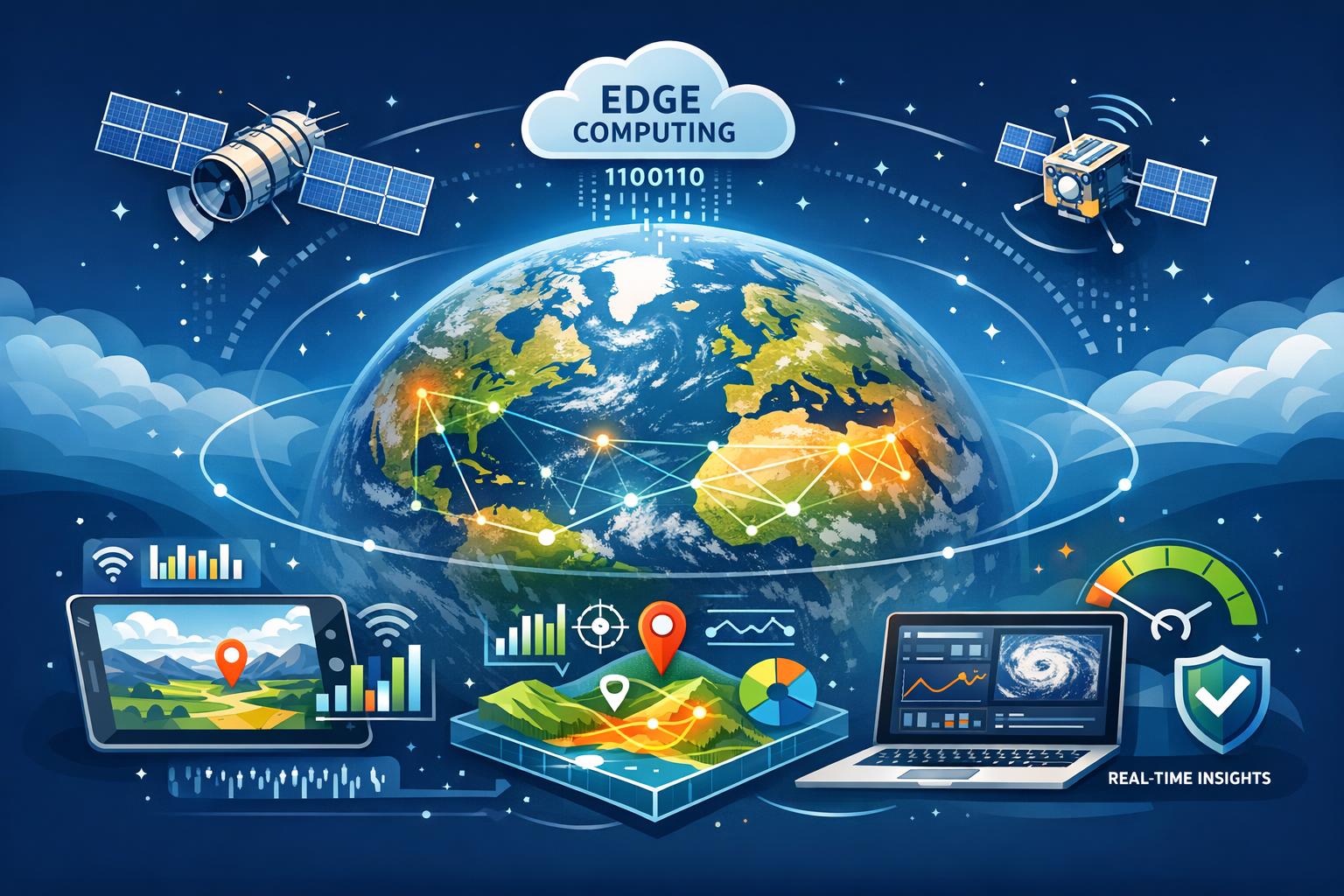
Earth observation (EO) technology has undergone tremendous changes in recent years. In particular, the introduction of AI edge computing has dramatically improved the processing speed of satellite data. This is because data can now be analyzed immediately at the location where it is generated, providing necessary insights in real time. Previously, it took time to transmit large amounts of data to Earth for analysis, but now it is possible to process data and generate results directly from satellite orbit.
These changes go beyond mere technological advancements, bringing innovation across the entire geographic information (GEOINT) industry. For example, in the agricultural sector, real-time monitoring of crop growth status provides opportunities to maximize productivity, while enabling faster decision-making in disaster management and response. These AI-based analytical capabilities will continue to evolve and have a positive impact on the entire ecosystem.
Insights-as-a-Service: A New Business Model
With the combination of AI and edge computing, a new business model called 'Insights-as-a-Service' is emerging. This enables companies to subscribe to or purchase necessary information as a service. While complex data analysis and insight derivation processes were previously required, users can now easily obtain the information they need at their desired time and place.
This is closely related to Software as a Service (SaaS). Across various industries, the SaaS model has made it possible to provide customized services to customers, which is expected to lead to a rapid increase in Annual Recurring Revenue (ARR). In other words, an environment has been established where companies can continuously receive high-quality data and insights without initial investment costs. This shift strengthens the relationship between customers and suppliers and is becoming a key factor in enhancing market competitiveness.
The Future and Prospects of Satellite Data SaaS
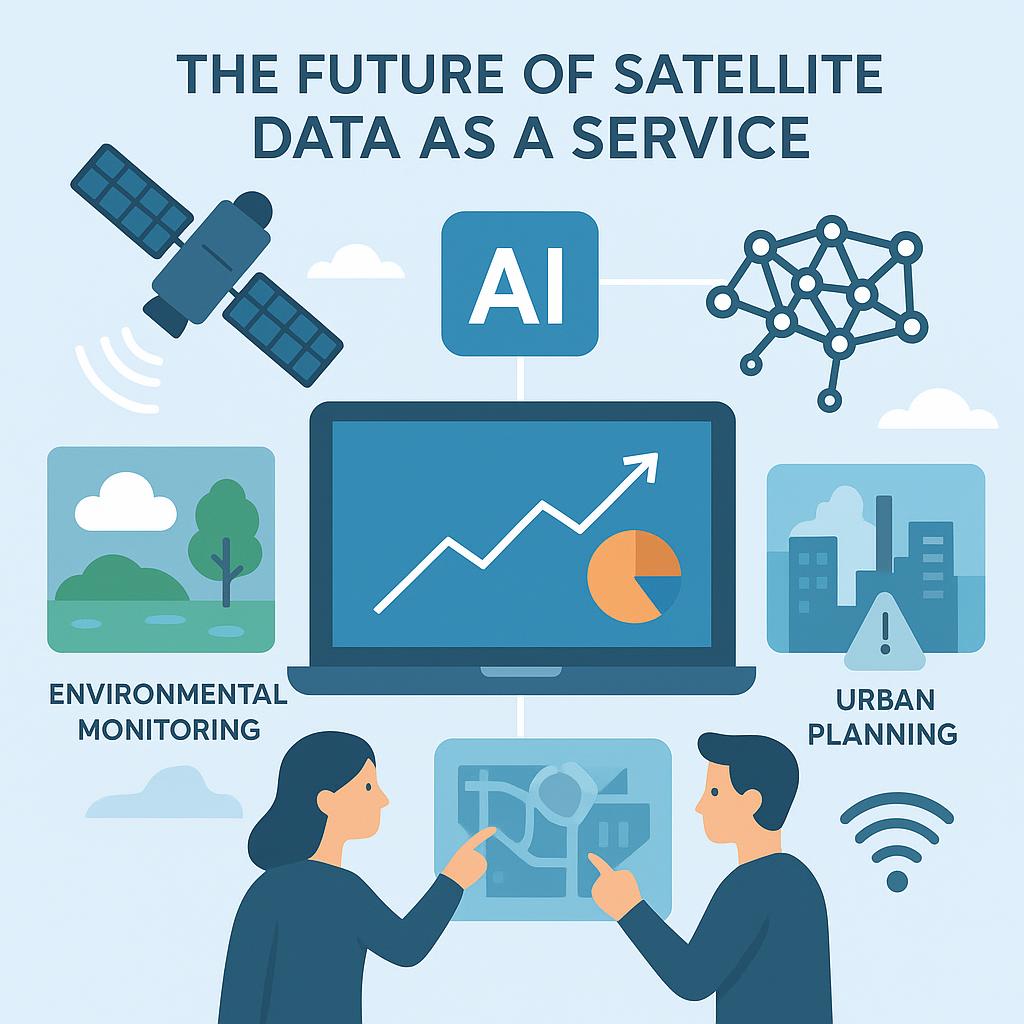
The satellite data SaaS market is expected to become even more active in the future. In particular, as artificial intelligence and machine learning technologies advance, the accuracy of data analysis is increasing, and services based on this are becoming more diverse. For instance, the potential for application in various fields, ranging from environmental monitoring to urban planning, is limitless.
Furthermore, the government and public institutions will actively adopt these technologies to utilize them for policy decision-making and resource management. This will enable the provision of information much more efficiently and quickly than existing methods, thereby having a positive impact on society as a whole.
Ultimately, after 2026, we will enter an era of great transformation in Earth observation with AI edge computing, which will have a significant impact not only on technological advancement but also on the creation of economic opportunities.


