
Introduction: A New Phase of the Global AI Hegemony War
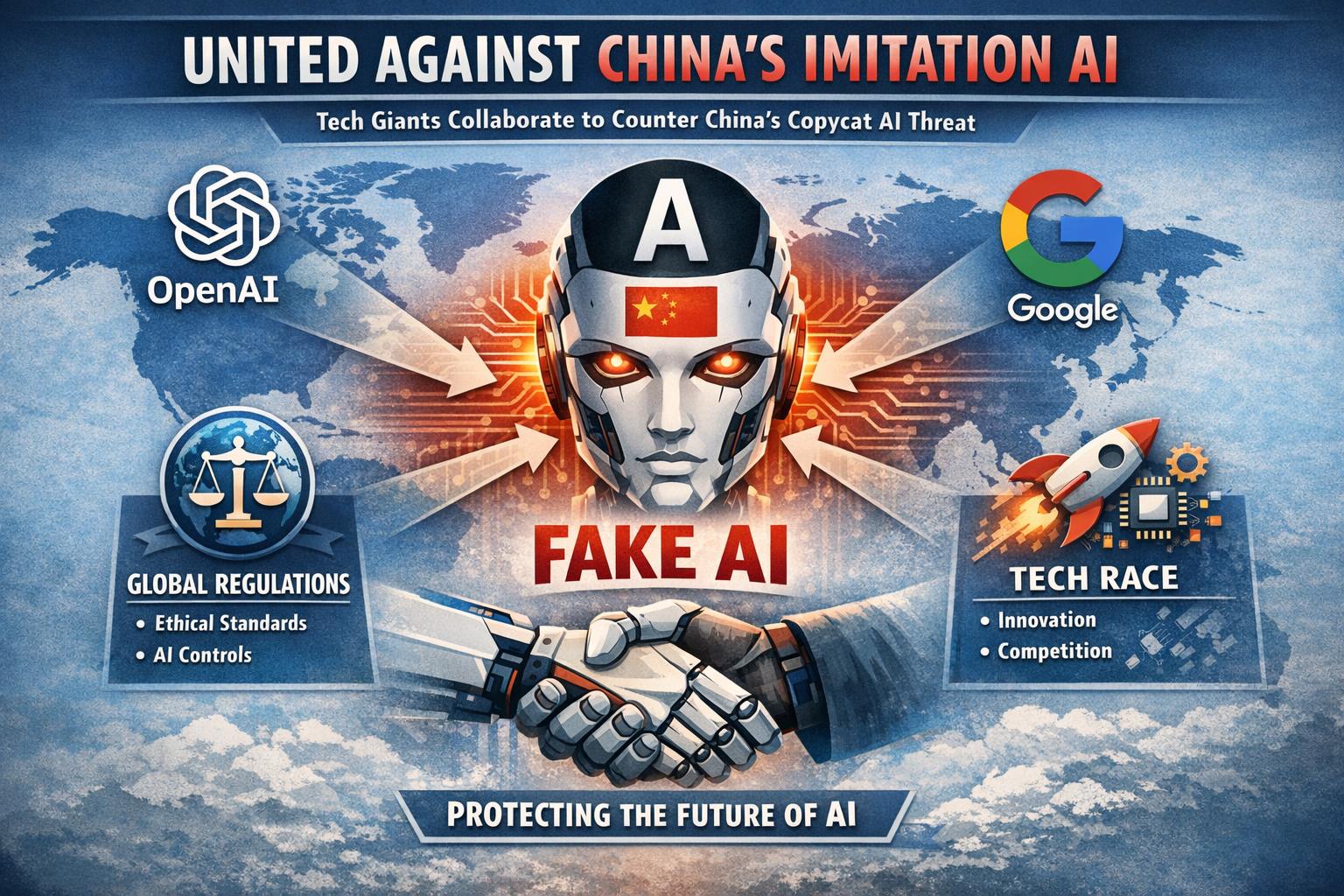
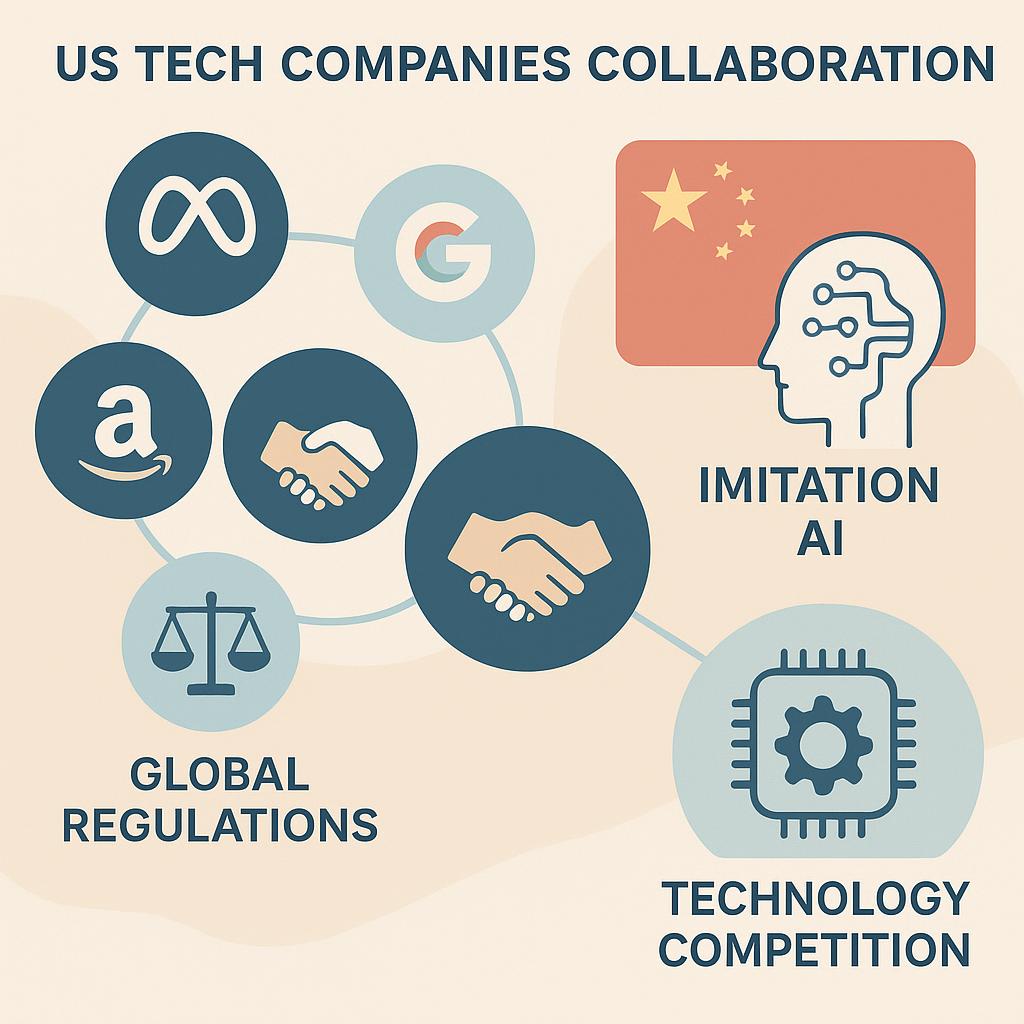
Recently, news has emerged that major U.S. AI companies are forming a united front to counter China's "copycat AI." Global tech giants such as OpenAI, Antropics, and Google are joining forces, accelerating their efforts to gain an advantage in the race for technological hegemony. This situation is escalating beyond mere competition between companies into a power struggle between nations, which is expected to have a significant impact on global AI regulations and policies. Let us examine the significance of these changes and the direction in which they are likely to move forward. 📈
The Need for an AI United Front
The United States and China are currently the world's leading nations in AI technology development. However, as China has recently accelerated the development of "copycat AI" based on its own technology, the U.S. is feeling a sense of crisis. Under these circumstances, the alliance of major U.S. companies seeking a joint response can be seen as a crucial strategy.
An AI coalition is important not only for strengthening competitiveness but also for ethical aspects, considering the impact of AI technology on people's lives and society. For example, issues such as data security and privacy are controversial worldwide, and a collaborative approach is required to resolve them.
Furthermore, this alliance can contribute to establishing a global AI regulatory framework in cooperation with national governments. This aims to create an environment where all of humanity can safely utilize technology, going beyond mere economic benefits.
China's 'Imitation AI' and Its Impact
China is rapidly building its own artificial intelligence ecosystem and is particularly excelling in the field of imitation technology. They are creating innovative products and services based on algorithms and models developed by established advanced nations. However, this approach is accompanied by issues of intellectual property infringement and ethical concerns.
This is precisely why U.S. companies remain vigilant against China's copycat AI. If China continues to leverage its strengths, U.S. companies will face severe competitive pressure in the global market. Therefore, major U.S. firms are striving to strengthen their uniqueness through collaboration while simultaneously preventing unfair trade practices through international regulations.
If China's copycat AI establishes itself in the international market, it will cause repercussions that go beyond mere competition. Therefore, it is time for the United States to take this issue seriously.
Global Regulations and Policy Directions
Currently, countries are reviewing and implementing legislation and regulations related to artificial intelligence, and this trend is expected to accelerate further in the future. In particular, the United States and the European Union (EU) are focusing on cooperating to establish a robust regulatory framework.
In the U.S., companies like OpenAI are voluntarily establishing ethical standards or collaborating with the government to suggest policy directions. However, such efforts alone may not be sufficient.
Regulation at a global level is necessary, and cooperation among various stakeholders is essential. As each country has different legal systems and social needs, international conferences or platforms to coordinate them will also become important.
In conclusion, the formation of a united front by the U.S. and major IT companies can be seen as the first step toward sustainable development for all of humanity, not merely for economic gain.